
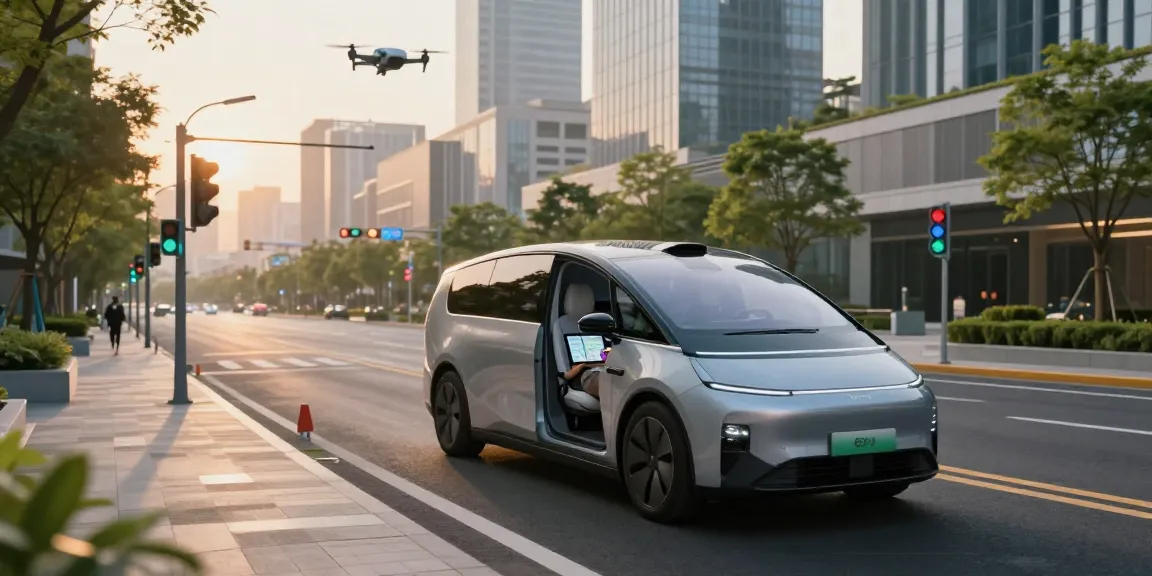
Understanding Autonomous Driving Technology
As we enter a new era of innovation, the landscape of transportation is being reshaped by one of the most groundbreaking developments of our time: autonomous driving. This technology promises to revolutionize how we think about travel, safety, and even urban planning. From self-parking cars to fully driverless vehicles, understanding autonomous driving is crucial for anyone interested in the future of mobility.
What is Autonomous Driving?
Autonomous driving, often referred to as self-driving or driverless technology, enables vehicles to navigate without human input using a combination of sensors, cameras, and artificial intelligence (AI). Depending on the level of automation, these vehicles can perform various tasks ranging from basic steering assistance to full navigation in complex environments.
Key Components of Autonomous Vehicle Systems
To grasp how autonomous vehicles function, it’s essential to recognize their core components:
- Sensors: These include LIDAR (Light Detection and Ranging), RADAR, cameras, and ultrasonic sensors that help the vehicle assess its surroundings.
- Artificial Intelligence: AI processes data from sensors to make real-time decisions, controlling the vehicle’s navigation and safety systems.
- Connectivity: Autonomous cars are often equipped with V2X (Vehicle-to-Everything) technology, allowing them to communicate with other vehicles and infrastructure.
How Autonomous Driving Works: Sensors and AI
The success of autonomous vehicles lies in their sophisticated integration of sensors and AI. LIDAR creates detailed 3D maps of the environment, while cameras monitor traffic lights, road signs, and obstacles. AI interprets this data, assessing the best course of action in real-time, effectively mimicking human decision-making processes.
The Evolution of Autonomous Driving
Autonomous driving technology has evolved significantly over the past few decades, reflecting advances in computing power, sensor technology, and data analysis capabilities. From the initial research phase in the late 20th century to today’s promising prototypes, the journey has been marked by innovations and milestones.
History of Self-Driving Technology
The concept of self-driving cars dates back to the 1920s, but practical applications began emerging in the 1980s with projects like Carnegie Mellon University’s NavLab. In the 2000s, major tech and automotive companies began investing in research and development, leading to the first fully autonomous vehicles being tested on public roads.
Current Trends in Autonomous Vehicle Development
Today, companies like Tesla, Waymo, and Cruise are at the forefront of autonomous vehicle research, focusing on enhancing safety, reliability, and user experience. Current trends include:
- Increased use of AI and machine learning for better decision-making.
- Greater emphasis on safety features, including fail-safes and redundancy in systems.
- Development of smarter urban infrastructure to facilitate the integration of autonomous vehicles.
Major Players in the Autonomous Driving Market
The market for autonomous driving is rapidly expanding, with numerous players contributing to its evolution. Key players include:
- Waymo: A pioneer in autonomous driving technology, known for its robust self-driving taxi service.
- Tesla: Renowned for its advanced Autopilot system, which features lane assistance and adaptive cruise control.
- Uber: Actively developing autonomous vehicles for ride-sharing purposes.
- Ford: Recently intensified its focus on incorporating autonomous technology in its vehicle lineup.
Benefits and Challenges of Autonomous Driving
While the potential benefits of autonomous driving are immense, several challenges must be addressed to ensure successful implementation.
Enhancing Road Safety with Autonomous Vehicles
One of the most significant advantages of autonomous vehicles is their potential to reduce accidents caused by human error, which accounts for the majority of traffic incidents. Features like automatic braking, lane-keeping assistance, and adaptive cruise control are designed to enhance road safety.
Addressing Ethical Dilemmas in Self-Driving Cars
As autonomous vehicles gain traction, ethical dilemmas arise regarding decision-making in unavoidable accident scenarios. The debate often revolves around how these vehicles should prioritize the safety of passengers versus pedestrians, raising questions about morality and programming ethics.
Common Misconceptions about Autonomous Driving
Despite the extensive advancements in autonomous driving technology, misconceptions persist. Many people mistakenly believe that self-driving cars can entirely eliminate the need for human oversight, when in reality, they function best with human intervention in complex situations.
Regulatory Landscape for Autonomous Vehicles
The regulatory framework surrounding autonomous vehicles is still developing, with various jurisdictions adopting differing standards and requirements. Understanding these regulations is critical for manufacturers and consumers alike.
Understanding Government Regulations in Autonomous Driving
Governments worldwide are formulating regulations to ensure the safe deployment of autonomous vehicles. This includes setting standards for testing, user requirements, and liability in the event of accidents. Countries like the United States and members of the European Union are at the forefront of creating comprehensive regulatory guidelines.
Impact of Regulations on Technology Adoption
The pace of technology adoption in autonomous vehicles is heavily influenced by regulatory decisions. Stringent regulations may slow the rollout of autonomous technologies, while supportive policies could accelerate their integration into everyday life.
Future Policy Directions for Autonomous Driving
Looking ahead, policymakers may need to establish international standards to facilitate cross-border testing and deployment of autonomous vehicles. This includes harmonizing safety standards and creating robust frameworks for public insurance schemes addressing potential liabilities.
The Future of Autonomous Driving in 2026 and Beyond
As technological advancements continue to unfold, the future of autonomous driving appears promising. Predictions indicate significant developments in various areas, shaping how society interacts with transportation.
Predictions for Autonomous Vehicle Advancements
By 2026, we may see fully autonomous vehicles operating on selected urban routes, equipped with advanced AI that can adapt to unpredictable environments and learning from real-time traffic data to enhance efficiency.
Integration of Smart Cities and Autonomous Technology
As smart cities evolve, the integration of autonomous vehicles into urban planning will become increasingly essential. Traffic signals and infrastructure may be harmonized with self-driving technology, creating a seamless transportation network that prioritizes efficiency and sustainability.
What Consumers Can Expect in the Coming Years
Consumers will likely experience a range of autonomous vehicle options, from fully self-driving taxis to personal vehicles that can operate autonomously for specific tasks. Furthermore, advancements in user interfaces will enhance the consumer experience, allowing for more intuitive control and interaction with the vehicle.
What are the safety features of autonomous vehicles?
Modern autonomous vehicles come equipped with an array of safety features designed to protect passengers and pedestrians. These include collision avoidance systems, emergency braking, blind-spot detection, and real-time monitoring of traffic conditions.
How do autonomous vehicles communicate with each other?
Autonomous vehicles utilize V2V (Vehicle-to-Vehicle) communication systems that enable them to share information regarding speed, location, and direction. This data exchange enhances the overall safety and efficiency of road networks.
What are the environmental impacts of autonomous driving?
The environmental impact of autonomous driving is a double-edged sword. While enhancing traffic efficiency may reduce emissions, concerns exist regarding increased vehicle miles traveled as autonomous rides become more accessible and convenient.
Are there any legal implications for autonomous driving?
Legal implications for autonomous driving are complex and vary by jurisdiction. Issues surrounding liability in accidents involving self-driving cars are currently being debated, and new laws will be necessary to address the unique challenges posed by this technology.
How will autonomous vehicles affect urban planning?
Urban planning will likely shift to accommodate the needs of autonomous vehicles. This may involve rethinking parking structures, traffic patterns, and public transport systems to create a harmonious environment that integrates both human-driven and autonomous transport solutions.