
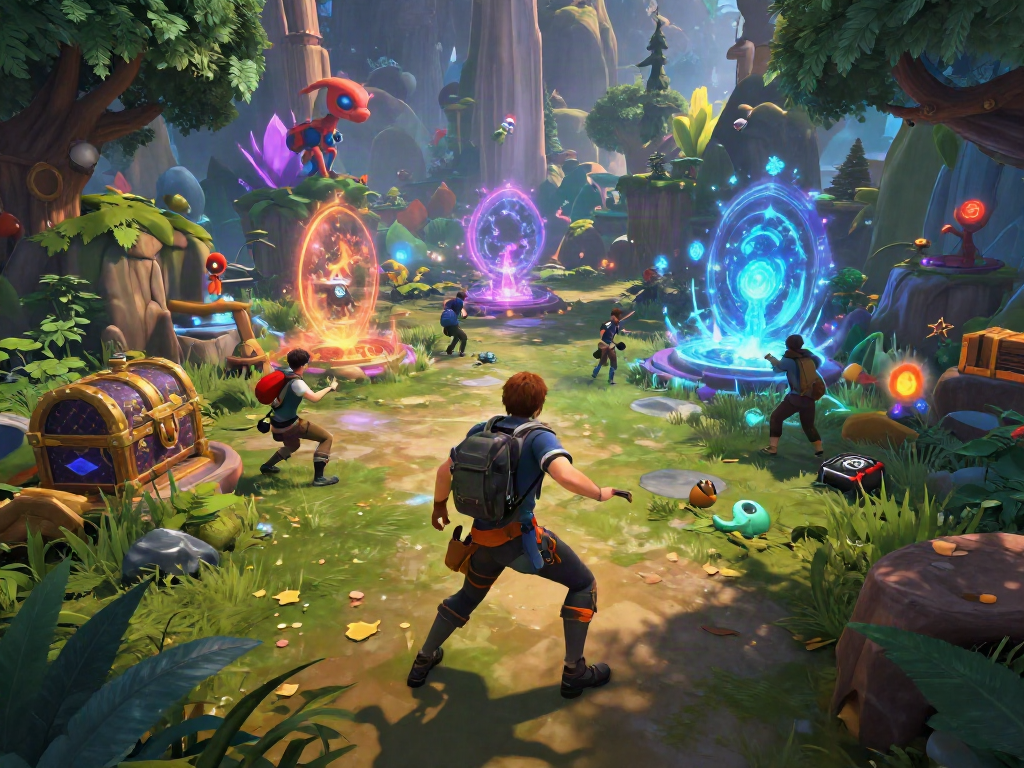
The Evolution of Hentai Games: Past to Present
The world of hentai games has undergone a significant transformation over the past few decades. From its origins in print media to becoming a prominent category within the digital gaming landscape, the evolution of these games reflects broader trends in technology and societal norms. Video games have become an essential form of entertainment, and hentai games, with their unique blend of visual storytelling and adult content, cater to a specific audience that appreciates the intersection of erotic art and interactive experiences. When exploring options, hentai game options provide comprehensive insights into this niche market and its offerings.
Historical Context of Hentai Games
Hentai games trace their roots back to Japan's rich tradition of erotic art, which dates as far back as the Edo period. The term "hentai," meaning "perverse" or "abnormal," is often used in the West to define Japanese adult animation and games. In the early days, hentai was primarily represented through manga and anime, with artists pushing the boundaries of artistic expression. The transition into gaming began in the 1980s with simple text-based games, which laid the foundation for more sophisticated narratives and visual elements.
Key Milestones in Game Development
The 1990s marked a pivotal point for hentai games with the introduction of visual novels. Titles like "Lady Killer in a Bind" and "A Kiss for the Petals" showcased branching storylines and multiple endings, allowing players to immerse themselves in interactive narratives. The technological advances of the 2000s, including the rise of CD-ROMs and improved graphic capabilities, led to more elaborate game designs, expanding the possibilities of character development and artistic representation.
The Transition to Digital Platforms
As the internet became mainstream, hentai games transitioned to digital platforms, making them more accessible to a global audience. This shift allowed for independent developers to create and distribute their games without the restrictions of traditional publishing houses. Online distribution platforms and crowdfunding sites, such as Patreon, have enabled creators to connect directly with their audience, leading to the development of a diverse range of titles that cater to various preferences within the hentai genre.
Understanding the Hentai Game Audience
Understanding the target audience for hentai games is crucial for developers aiming to succeed in this niche market. The demographic breakdown shows a primarily male audience, aged between 18 and 34, who often engage with hentai games for both escapism and artistic appreciation. Additionally, many players appreciate the immersive storytelling and character dynamics that these games offer, setting them apart from traditional adult content.
Demographics and Player Preferences
While the audience is predominantly male, female players are also emerging as a significant demographic, leading to evolving game themes and character representations. Many players prioritize gameplay mechanics and narrative depth over mere adult content, indicating a shift towards more meaningful interactions and storylines in hentai games. Preferences for specific themes—such as fantasy, romance, or psychological horror—also vary widely among players, showcasing the need for developers to diversify their offerings.
Cultural Impact on Game Themes
The themes explored within hentai games are often reflective of cultural attitudes towards sexuality and relationships. Japanese culture has historically had a complex relationship with erotic media, balancing traditional values and modern expressions of desire. This cultural context influences the storyline, character archetypes, and even the art styles seen in these games, often blending fantasy elements with real-world issues.
Community Engagement and Feedback
Community plays a vital role in the development of hentai games. Many developers engage with players through online forums and social media platforms to gather feedback and enhance game experiences. This interaction not only fosters a sense of ownership among the player base but also encourages the creation of games that resonate with the audience's desires and expectations.
Game Development Techniques in Hentai Genres
Creating a successful hentai game requires a balance of artistic vision and technical execution. Developers draw from various disciplines, including art, storytelling, and game design, to create immersive experiences that captivate players.
Art Styles and Visual Appeal
The art style is often the first point of attraction in hentai games. From hyper-realistic visuals to stylized anime aesthetics, the choice of art significantly impacts player engagement. A visually appealing game can elevate the narrative and enhance emotional connections with characters, which is essential for player retention. Incorporating a mix of 2D and 3D elements allows for creative storytelling techniques that keep the gameplay exciting.
Storytelling and Character Development
Strong character development is critical in hentai games, as players need to form connections with characters to become fully immersed. Story arcs that incorporate conflicts, personal growth, and emotional depth enhance player investment. Games that offer branching storylines with multiple endings allow players to explore different facets of character interactions, increasing replayability.
Innovative Gameplay Mechanics
Innovation in gameplay mechanics sets hentai games apart from mainstream titles. Developers are experimenting with interactive elements, including puzzle-solving, role-playing aspects, and simulation features, to create a more engaging experience. Incorporating elements like choice-based dialogue systems and real-time animations not only enhances user experience but also allows for a deeper exploration of intimate themes.
Market Trends and Predictions for Hentai Games in 2026
As we look towards the future, the hentai game market is expected to evolve significantly. Developers will need to stay informed about emerging technologies and changing consumer behaviors to remain competitive in the industry.
Emerging Technologies in Gaming
Advancements in technology, such as virtual reality (VR) and augmented reality (AR), are likely to reshape the landscape of hentai games. The implementation of VR can provide users with a completely immersive experience, making interactions more intimate and engaging. As hardware continues to improve and become more accessible, developers will have the opportunity to create games that blur the line between fantasy and reality.
Shifts in Consumer Behavior
Consumer preferences are changing, with players becoming increasingly demanding regarding content quality and representation. Inclusivity in character design and storytelling is becoming a significant expectation among players. Developers who prioritize diverse narratives and authentic representation will likely succeed in attracting a broader audience.
Potential Collaborations and Crossovers
Crossovers with mainstream entertainment, including anime and manga franchises, present exciting opportunities for hentai game developers. Collaborating with established brands can expand reach and introduce new players to the genre. Furthermore, events such as Anime Expo and Comic-Con serve as platforms for showcasing new releases and fostering community interaction, which can significantly boost a game's visibility and success.
Best Practices for Creating Compelling Hentai Games
For developers in the hentai game industry, following best practices is essential for crafting engaging and successful titles that resonate with players.
Crafting Engaging Narratives
A compelling narrative is the backbone of any successful game. Developers should focus on creating rich storylines with complex characters that evoke genuine emotions. Including relatable themes and character arcs can immerse players and keep them invested in the game.
Balancing Content with Market Demands
Finding the right balance between adult content and gameplay is crucial. While the erotic aspect is essential, players also seek meaningful gameplay experiences. Developers should test different content ratios to determine what resonates best with their audience without compromising the integrity of the narrative.
Leveraging Social Media for Promotion
Effective marketing strategies are vital for the success of hentai games. Utilizing social media platforms to engage with fans, share updates, and build anticipation for releases can enhance visibility. Community engagement through platforms like Discord and Reddit helps maintain a loyal fanbase and encourages word-of-mouth promotion.
What are the most popular hentai games currently?
As of 2026, some of the most popular hentai games include "HuniePop," "Eroge! Sex Hero," and "Nekopara." These titles are known for their engaging narratives, unique gameplay mechanics, and stunning artwork.
How do hentai games differ from mainstream games?
Hentai games primarily focus on adult themes and incorporate explicit content, setting them apart from mainstream titles. They often emphasize character interaction and storytelling, allowing for a more intimate gaming experience.
What role does community play in hentai game development?
The community plays an integral role in shaping hentai game development. Feedback from players can influence design decisions, storylines, and character development, ensuring that the games resonate with the audience's desires.
Are there any controversies surrounding hentai games?
Like many forms of adult content, hentai games often face controversies regarding their portrayal of gender, consent, and sexual themes. Developers must navigate these sensitive issues carefully to ensure that their games are respectful and inclusive.
How can developers ensure inclusivity in gameplay?
To promote inclusivity, developers should strive for diverse character representation and explore various themes that resonate with different audiences. Conducting surveys and engaging with diverse player groups can provide valuable insights into what players seek in their gaming experiences.